
Trauma, schemas and neurodivergence
How neurotypical systems shape schemas, shame and trauma in neurodivergent individuals
For many neurodivergent patients, shame, self-criticism and masking are shaped by years of misattunement to environments never designed for them. This workshop extends schema formulation to account for that, and shows how therapy can inadvertently reinforce the schemas it aims to treat.
- In person
- 6 CPD hours
- Practical, case-based learning
- No prior schema training needed
- 2027 dates coming soon
It’s not the patient
Attachment and early caregiving remain central to schema development. But schema formulation can miss what happens next: the ongoing mismatch between a neurodivergent person and the schools, workplaces and services around them.
A patient arrives upset because the bus was late, and the rest of their day has fallen apart. Through a neurotypical lens, they look demanding, rigid, even entitled.
Look again. The late bus took away predictability, scrambled the plan for the day, added sensory load and raised the fear of being judged. This isn’t an overreaction to a late bus. It’s a nervous system losing the scaffolding that made the day possible.
This workshop asks you to change one question.
Which schema or coping mode is driving this behaviour?
Which neurodivergent need, environmental mismatch or threat response am I missing?
By the end of the day, you’ll be able to
- Reconceptualise schema and mode development in neurodivergent individuals through chronic misattunement, minority stress and ableism.
- Distinguish neurodivergent needs and environmental mismatch from maladaptive schemas and coping modes.
- Map the modes that maintain shame, masking, self-criticism and burnout in neurodivergent patients.
- Recognise how therapy can inadvertently reinforce schemas, including through misread masking, homework “non-compliance”, praise and social goals.
- Apply neurodiversity-attuned schema interventions, including formulation, limited reparenting and mode work, that prioritise safety, identity and adaptive fit.
- Adapt how you run sessions (communication, pacing, sensory environment and trust-building) so therapy fits the patient.
The day at a glance
Part 1
Misattunement and schema development
Developmental trauma without a single headline event. How chronic misattunement, minority stress and neuro-normative expectations sit alongside attachment in schema formation.
Part 2
Shame, masking and the mode map
Neurodivergent schemas and modes, and the masking and burnout cycle that links them.
Part 3
When therapy reinforces schemas
Where well-meaning therapy repeats the misattunement, including misread masking, homework “non-compliance”, praise and social goals.
Part 4
Formulation and intervention
A corrective formulation, limited reparenting that names difference, mode work that separates useful social information from shame, and practical modifications to how you run sessions, worked through with case studies.
Interactive: teaching, case studies and practical strategies you can use straight away. Workshop materials are provided on the day.
“What we often conceptualise as disorder may reflect the internalisation of environments that were never designed for the person in front of us.”
Who it’s for
This in-person workshop is for therapists who work with neurodivergent patients. Participants should be in a clinical, counselling or therapy-related role.
No schema therapy training is needed: the framework is introduced on the day. Schema therapists will leave with specific ways to adapt formulation, reparenting and mode work.
This workshop does not count towards certification or accreditation with the International Society of Schema Therapy (ISST).
Ideal for
- Psychologists: progress toward your annual active CPD requirements (6 hours of CPD)
- Psychiatrists
- Accredited counsellors, psychotherapists, social workers and mental health OTs
- Other allied health professionals specialising in mental health
Your presenter
- ChairAPS College of Clinical Psychologists
- Developer of the YSQ-RYoung Schema Questionnaire Revised
- Australian Psychologist of the YearAllied Health Awards, 2024
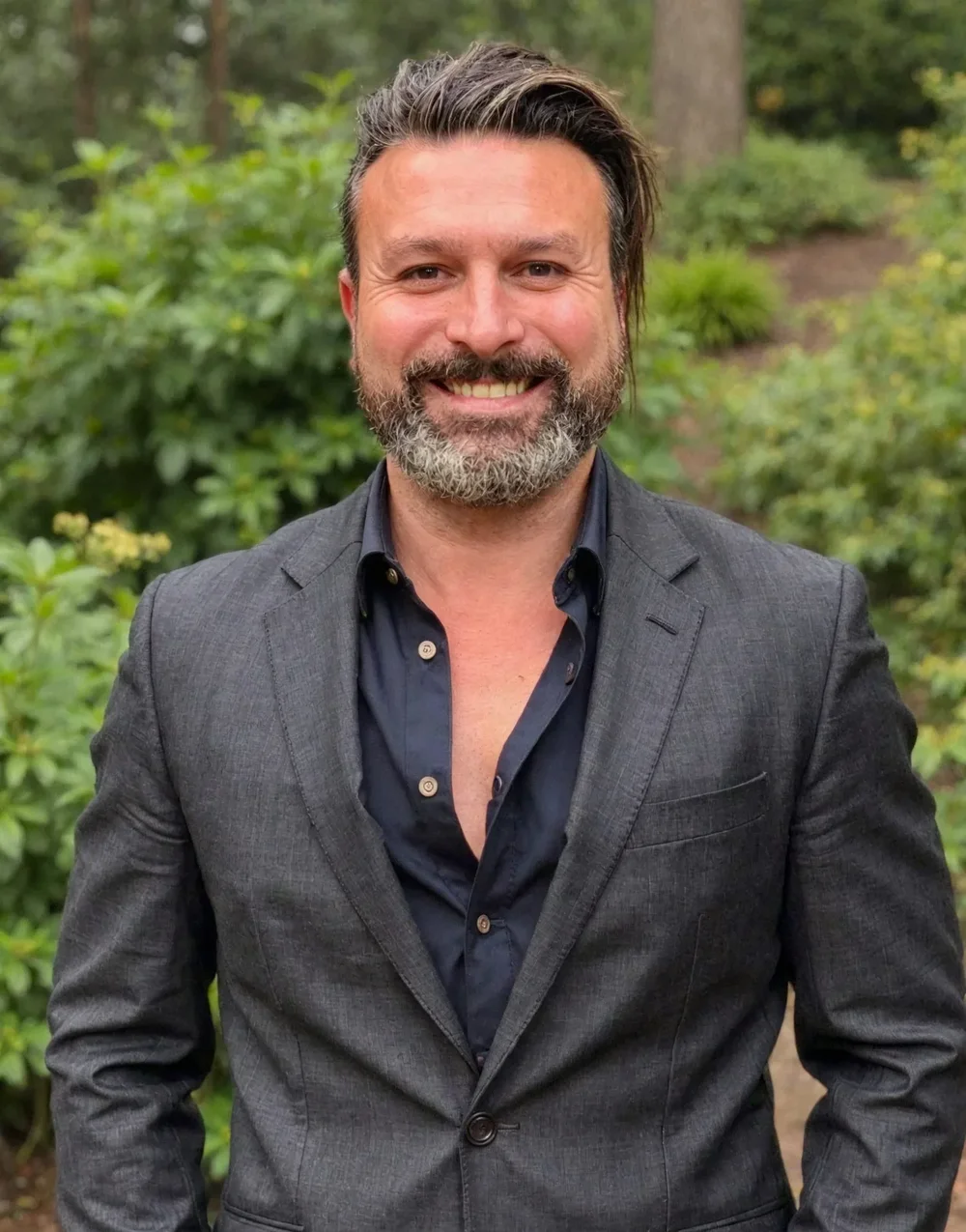
Dr Ozgur (Oz) Yalcin, clinical psychologist
Dr Yalcin co-authored a 2024 review of early maladaptive schemas in autistic and ADHD individuals, published in Frontiers in Psychology. His research focuses on developmental trauma and schemas in neurodivergent populations, and he developed the YSQ-R, a revised version of the Young Schema Questionnaire.
This workshop builds on talks he has given at the International Society of Schema Therapy (ISST) conference in Greece, the ADHD WA Conference and the Neurodivergence Wellbeing Conference.
See Dr Yalcin teach this material
A recorded conference session on complex trauma and schemas in neurodivergent people.
What therapists say
9.4/10average satisfaction from 63 evaluation responses across four sessions of this material (voluntary post-session feedback)
“Amazing. Best one I’ve been to. So many were just boring, not practical, and did not tune in at all. You showed up authentic, relatable and actually helpful…”
“Couldn’t have been more perfect for me as a psych but for myself as well. Spot on and made so much sense. I use schema therapy a lot in my therapy work but also with myself and this provided me with new ideas - I am excited going forward!”
“This session was only short but it allowed for a clear overview of schemes and how they work to drive behaviour thoughts and feelings.”
Questions
When and where is it running?
We’re planning several in-person cohorts in 2027. Join the list below and you’ll be the first to know when dates and cities are confirmed.
How much does it cost?
Fees will be published with the dates.
Is it available online?
No. This workshop is in person only.
How many CPD hours is it?
6 hours. You’ll receive a certificate of attendance.
Do I need schema therapy training?
No. The schema therapy framework is introduced on the day. If you already use schema therapy, you’ll leave with specific ways to adapt it.
Does it count towards ISST certification?
No. This workshop does not count towards certification or accreditation with the International Society of Schema Therapy (ISST).
Bring this workshop to your organisation
We also deliver this as a full-day in-house workshop for services and organisations, tailored to your team.
Get first access to 2027 dates
Join the list and you’ll be the first to know when dates and cities are confirmed.
You can unsubscribe from our emails at any time. See our Privacy Policy.